Kitchen Tips: A Guide To Kitchen Extensions Part 2

PLANNING
A brief discussion with your planning department won’t harm as a first step, but in most cases, you will need to consult with an architect to produce initial drawings for planning (planning takes around 8 weeks - if you have cooperative neighbours). Getting a recommendation for an architect is crucial. In some cases, you won’t need an architect and you can work with an architect technician or a surveyor.
The kitchen is normally the reason for the extension, so you want to make sure it can accommodate everything you are dreaming of. It is a good idea to get an initial design and quote from your kitchen company early in the planning process, after you have planning permission ideally. This ensures you won’t run into design limitations further down the line.
It is normal for builders’ quotes to vary massively. It will depend on how busy they are, what else they have in your area, how much they want the job and how well they think you’ll work together. Remember - cheap is not always best! It is important to have a good relationship with your builders and strong communication, this will help during the issues that will inevitably arise during every project.
During the project it is best to move in with family or into rented accommodation if possible. It is much less stressful - especially as it is common to experience delays to the project. If you’re staying at home during the build, think about setting up a temporary kitchen if you can. Lots of builders will do this for you, or there are companies that do this. Or you can set up the fridge, microwave and a camping hob and a slow cooker somewhere in the home.


DESIGN
Having a carefully considered kitchen design that works for you and your lifestyle is key when planning your extension. Your kitchen designer can help to advise with simple things that will make a huge difference to the design of the kitchen - like moving windows/doors, plug sockets and where to put the boiler.
When doing substantial building works like an extension, it’s normally possible to move the waste, so don’t let this worry you about where to put the kitchen. If you’re having under floor heating, think about where your manifold should go (a massive pipe junction that takes up a lot of room).
Your kitchen designer can show you different ways you can design the kitchen/living space, but there is usually one way that will quickly become obvious to your designer once you tell them what you would like in the space.
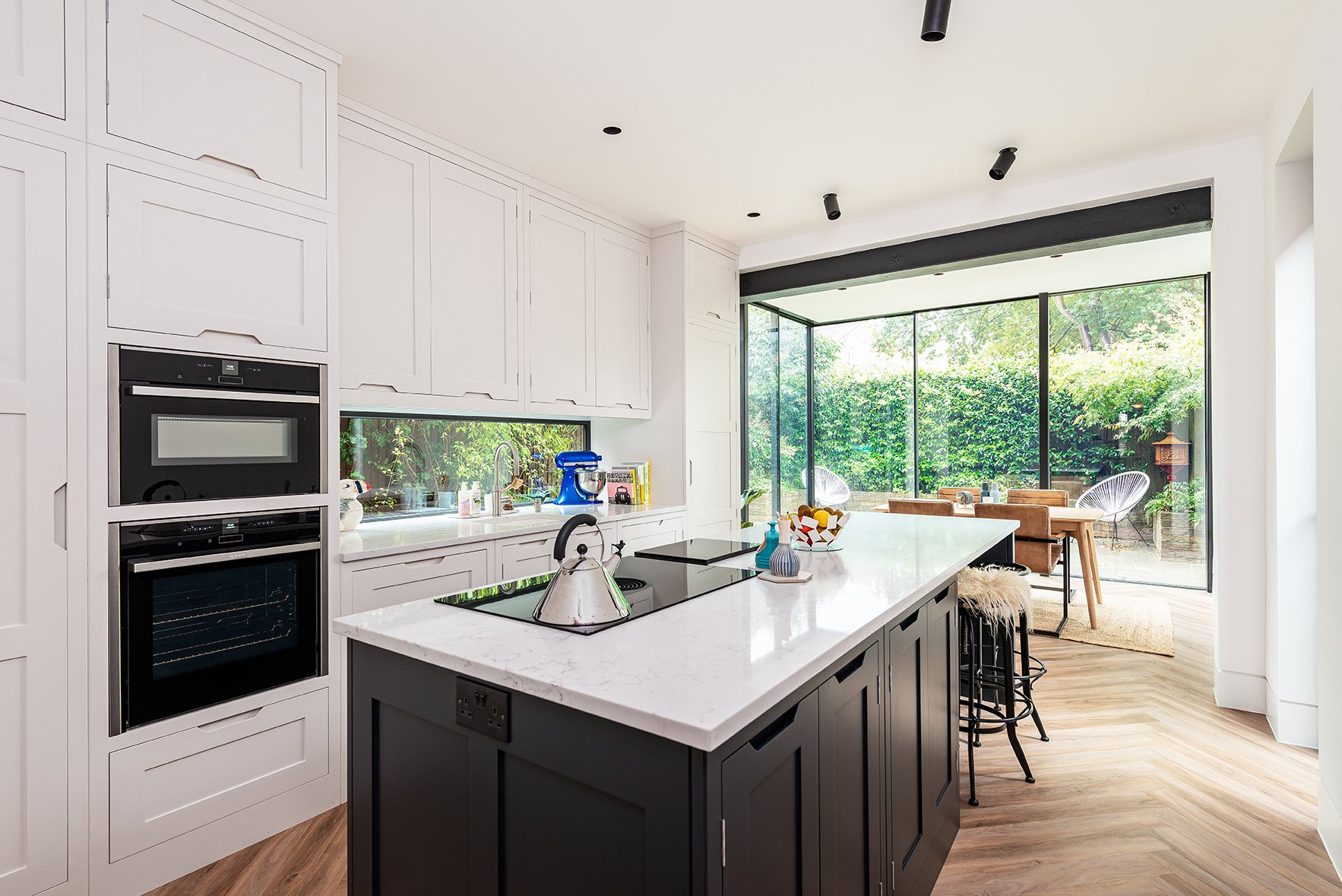
When sitting at the island, you want to face into the kitchen, not out into the living space - it feels more natural to be facing whoever is cooking. The ideal distance between an island and units is 1000mm, but aim to keep it between 900mm and 1200mm.
If you want to have a clear island with no hob/sink, you can put the hob and sink on the same run – but, this can make designing the space difficult. You will need quite a long run and you’ll need space somewhere in the kitchen for your tall units.
Using complimentary colours or materials to link living spaces together will help the design to flow. A well placed island or peninsula can define the separate spaces. Artwork and lighting will also help to add your personal style and character to the space.

Our personal top 5 must-haves for a kitchen/family room extension are:
1. An island/peninsula
2. Large doors (sliding/Crittal /bifold) leading out to the garden. But this does not have to be all the way across, sometimes it’s nice to break it up with a sink run
3. Underfloor heating – this removes the need for radiators which can take up a lot of space and will feel like heaven on cold winter mornings!
4. Skylights or roof lanterns
5. Banquette bench seating area

INSTALLATION & LEAD TIMES
Undertaking a kitchen extension is a big project with lots of moving parts and so there are many things that could potentially delay your project. Careful planning can help to avoid some of these delays but remember that some issues are unavoidable.
Keep in mind the lead times for your kitchen cabinetry (ours is currently around 6 months). It takes time to make a bespoke kitchen as every piece is hand made and finished just for you. This also applies to your handles and taps, especially if you are choosing a special finish like brass, which can take up to 12 weeks! The more you have decided on and ordered beforehand, the better. You don’t want to be disappointed if some products have longer lead times than you are expecting.
To fit some kitchens (like ours) you’ll need a finished room wall to wall, flooring, electrics and plumbing in place and ideally the room would be decorated so you’re not risking getting paint on your new kitchen.
Just like in Grand Designs, most window and doors will be made to order, and they will not make them until the space is measurable. There can be a lull in projects while you wait for windows to arrive, so keep this in mind when booking a date for your kitchen installation. Another common reason for delays to the project, is the drying times for different types of flooring. Concrete screed takes roughly 1 day per mm deep and some wooden floors need time to acclimate to your space which can take 2 weeks.
If you are having solid worktops (e.g. quartz, marble or granite), allow another week or more for this. The stone masons will template once the kitchen units are in place, then go away and cut the stone to the template and come back to fit it a week or so later.
Changing your mind will delay things, for example, adding or changing plug sockets are not always quick jobs. However, it is also the right time to do it if you don’t like something. Speak your mind and have a close relationship with your builders, pop in often and try to enjoy the process together.

Follow Us On Instagram

Book An Appointment
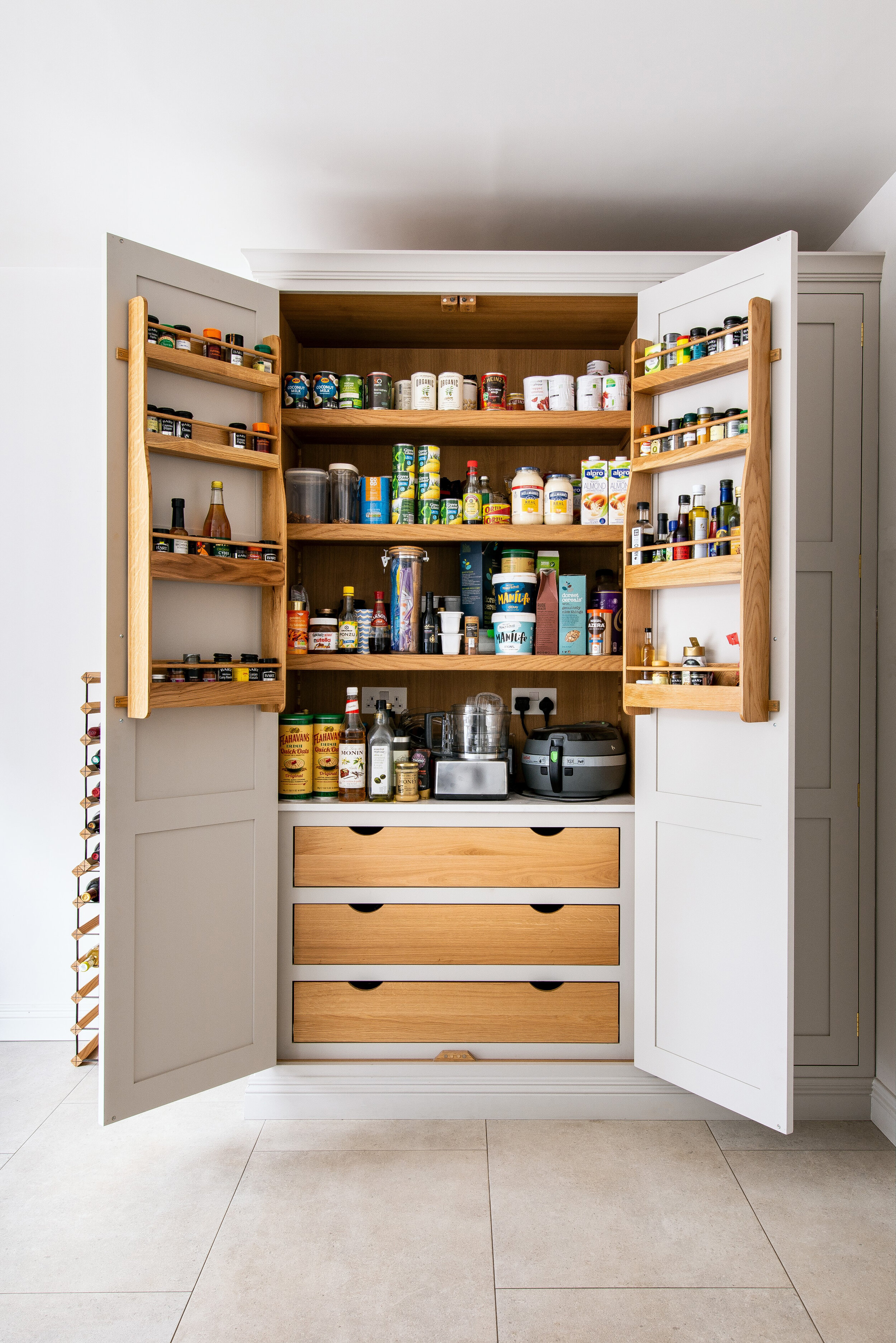
Bespoke Internal Storage For Your Kitchen
Bespoke Internal Storage For Your Kitchen


Sneaky Banquette Seating Storage


Glass Shelving


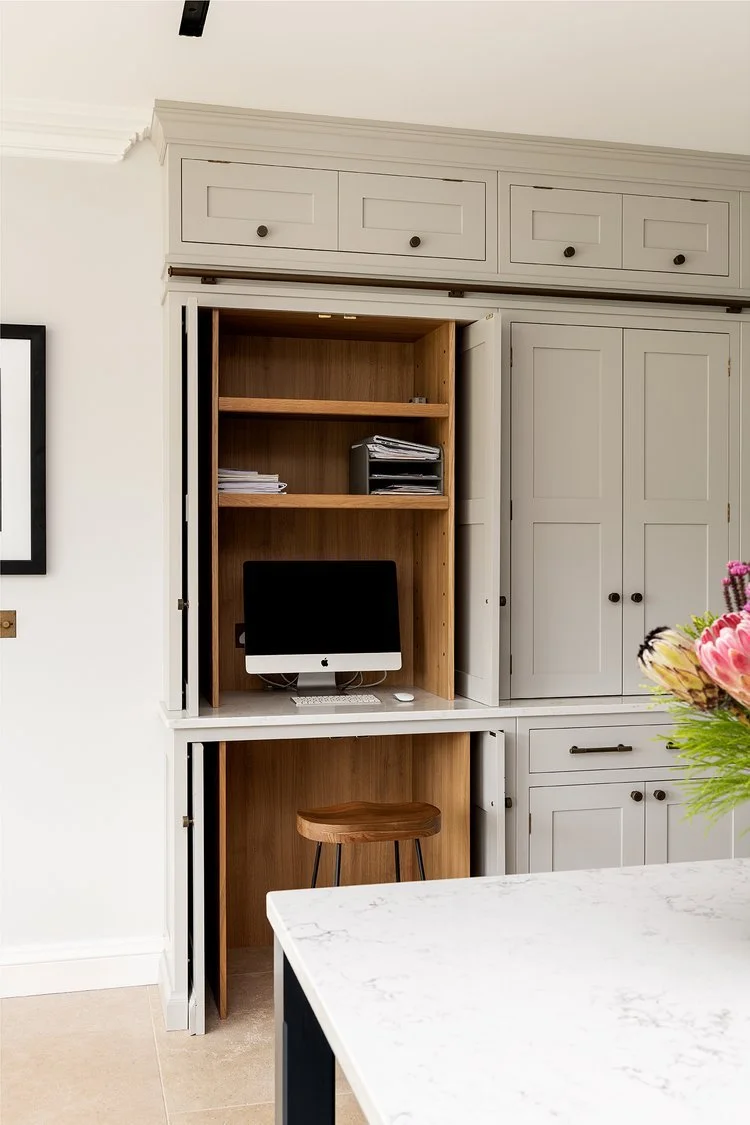
Pocket Doors


Traditional Zig Zag Shelving Or Loop & Socket


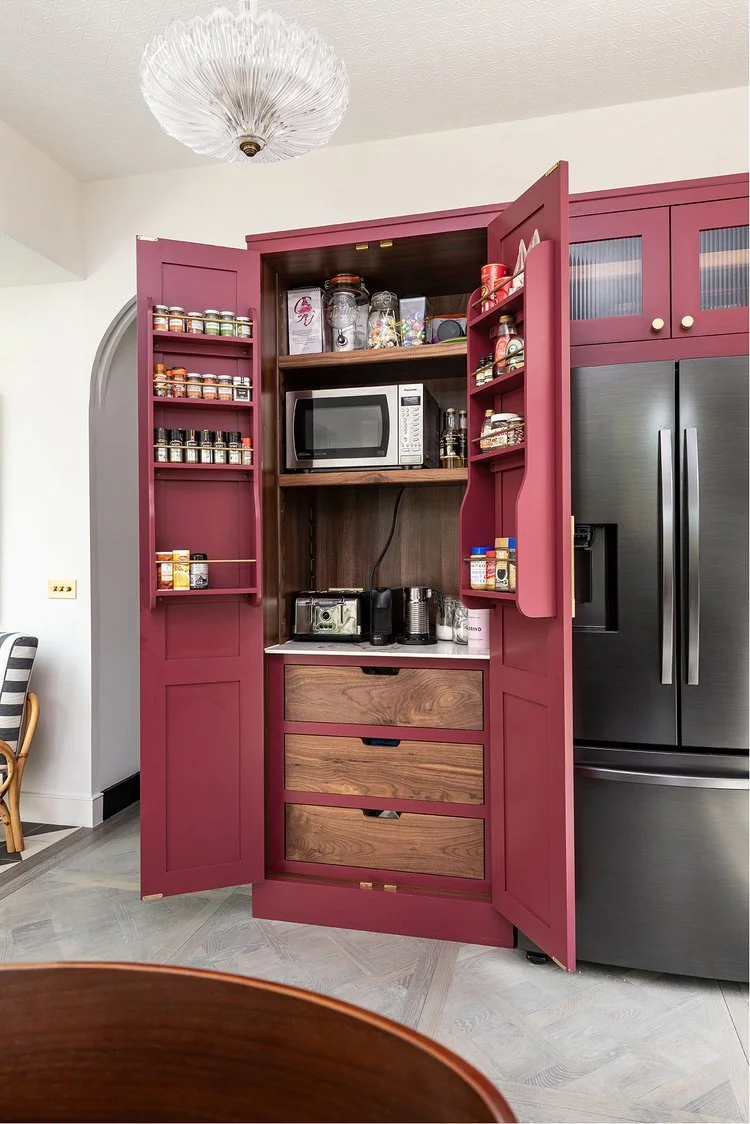
Painted Internals


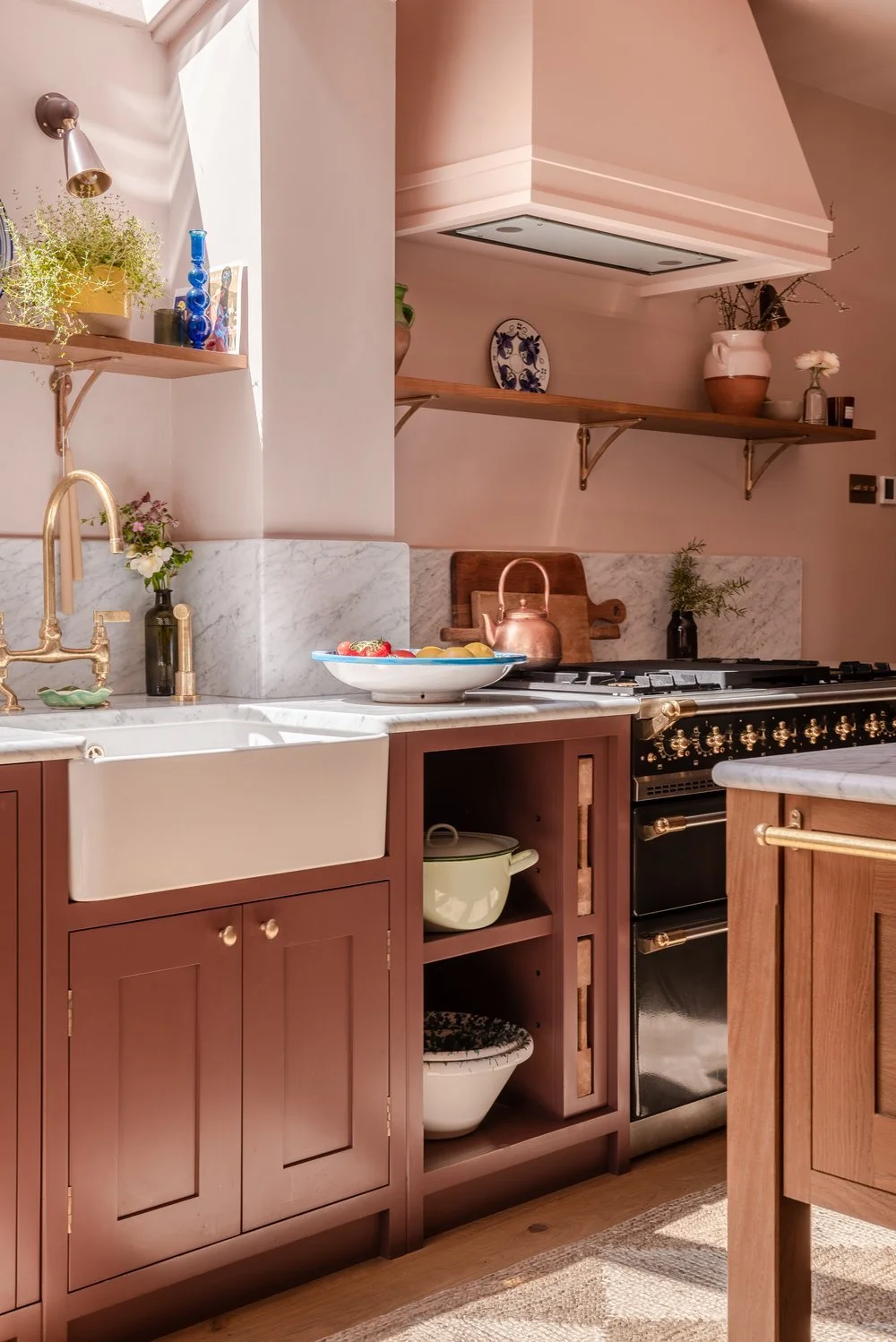
Dovetail Drawers, Cutlery Inserts, Knife Blocks


More Blogs From Herringbone…


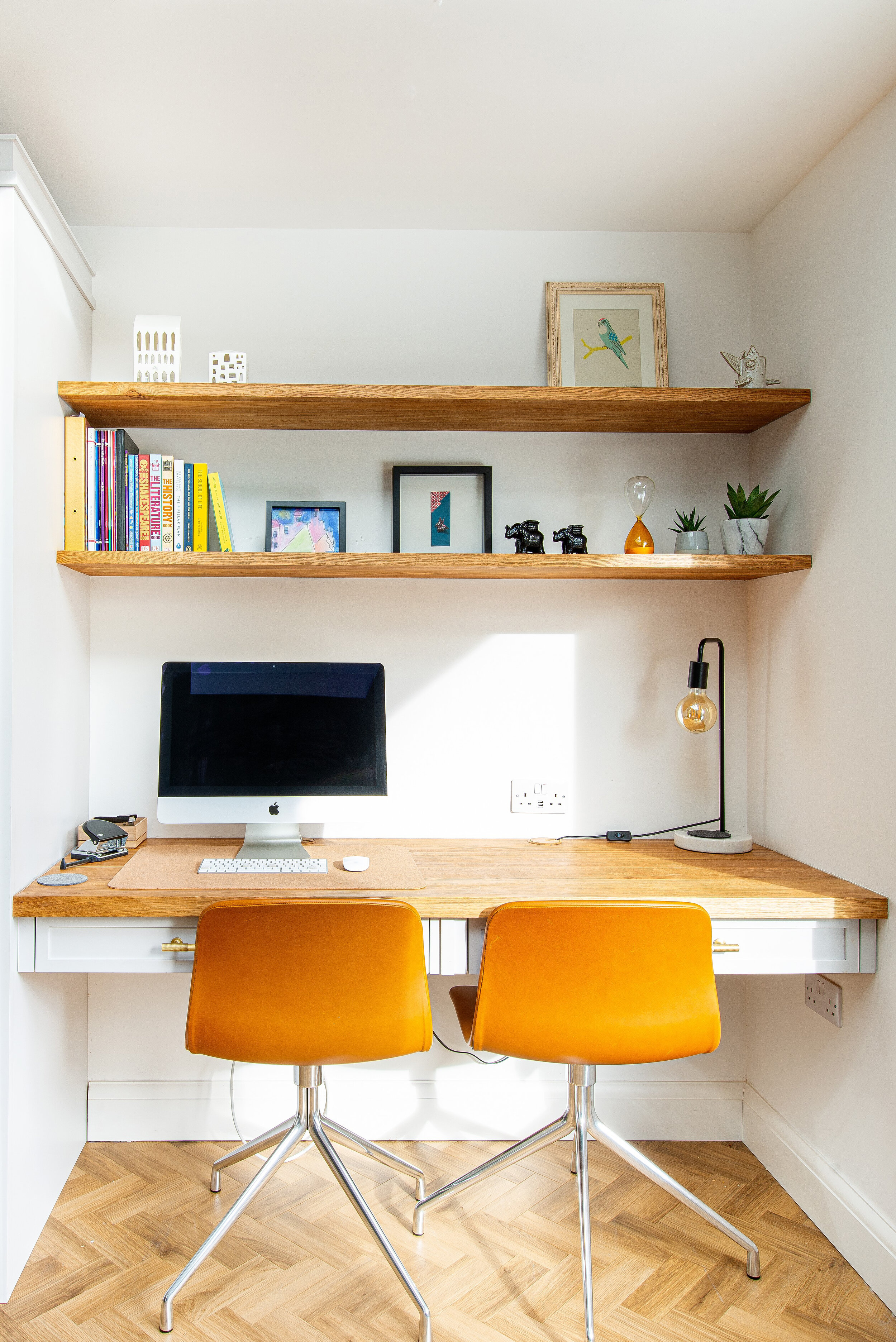
Working From Home - Kitchens: The Make Shift Office
The past year and a half has been challenging, to say the least, for most of us, with many office dwellers needing to work from home with no designated office; this can be a bit of a pickle!
The kitchen seems to have been made into the make shift office for many, so we have compiled a list of things you may want to consider when designing your new kitchen while adapting to the new ways of working.
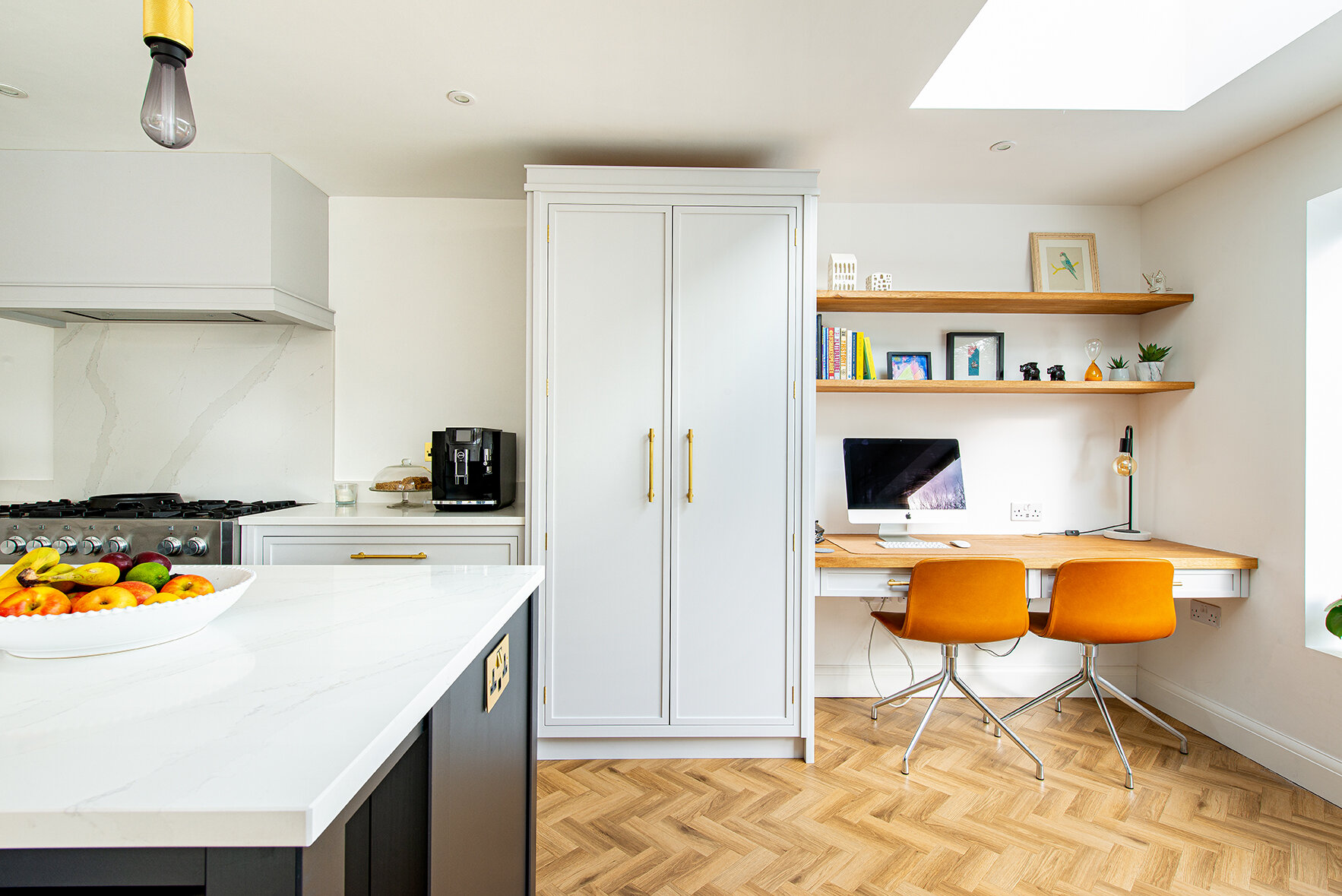

Calming Colours For A Focused Mind
A calm mind is a productive mind! There are a few different colours and hues that have been proven to provide a calming and relaxing effect on the brain.
Among the most popular relaxing tones are neutrals, blushes, soft blues and greens as well as greys with green undertones and tans.
Whether your choose any of these for your kitchen cabinetry or your kitchen walls, they will certainly make for a peaceful working week.


Natural Light
Undoubtedly one of the most important factors of a healthy and pleasant workspace, is maximisation of natural over artificial light. Allowing sunshine and natural light to pour into your space will not only lift your mood and keep you alert but can also be a lovely break for your eyes after hours of blue screen light.
Windows and French doors looking into the garden or skylights are all excellent choices for your kitchen-’office’. Keep a couple of them open too as ventilation helps bring in fresh air!

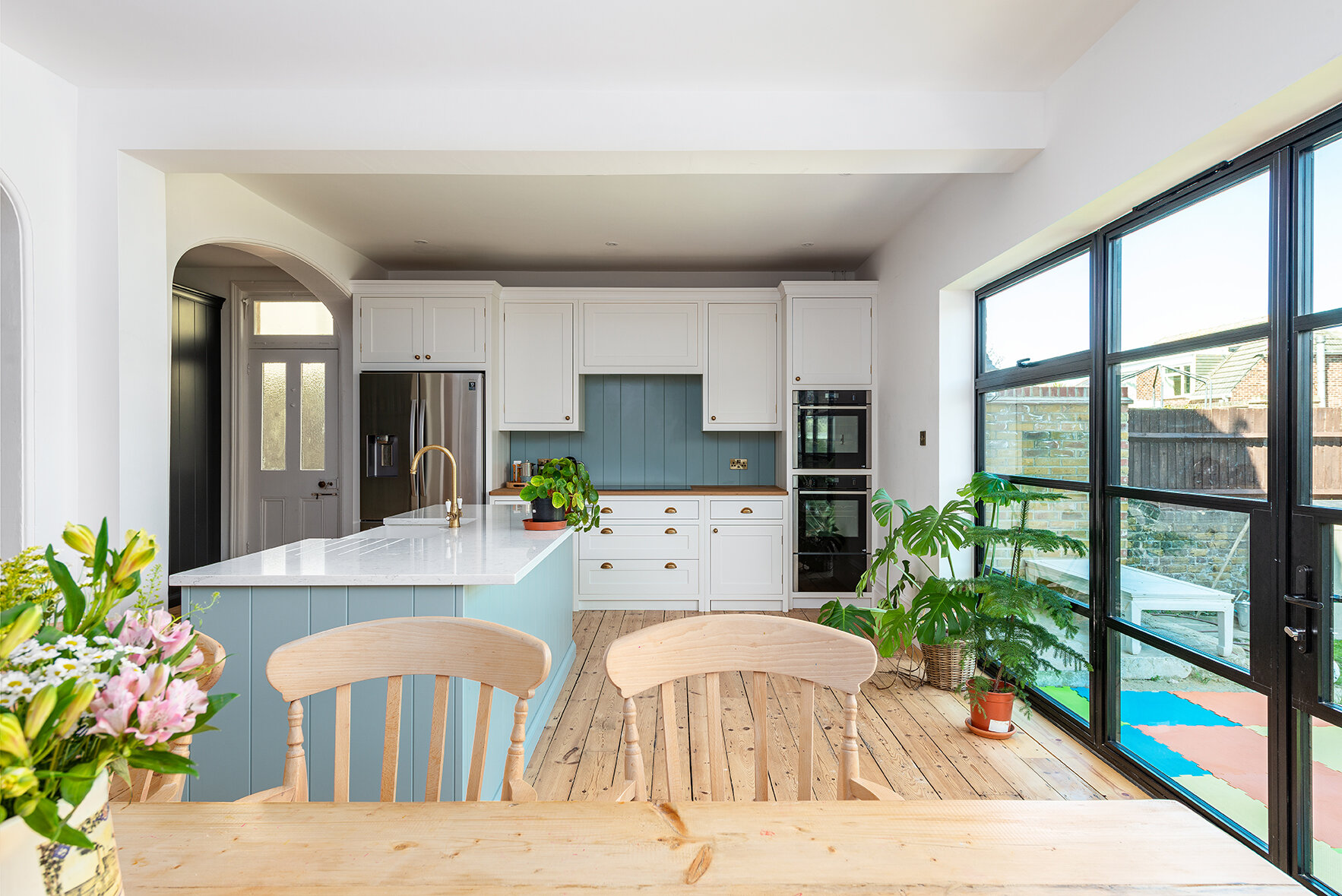
Kitchen Island Seating
When choosing the right seating for your kitchen island and breakfast bar, ensure your stools or tall seats are comfortable and offer good back support. Are your perching at your island or sat down for hours at a time? A cushioned bar seat with a mid to tall back is a great option and comes in a variety of styles to suit any space.


Invest In A Boiling Water Tap
Throughout your day, you will inevitably end up making a never ending line of teas and coffees. A boiling water tap will satisfy your hot drinks craving much quicker than a kettle ever could. It will also cut time off your kids’ bow-tie pasta lunch prep!

Surround Yourself With Things That Inspire
Artwork, plants and even family photos are just some examples of things that will not only fill your space up with an abundance of character but will all aid your productivity and creative spirit.


Keep That Wine Cooler Close!
Once the emails have been answered, the phone lines have closed and the laptop has been folder shut, you’ll need a drink; you deserve it! Keeping a wine fridge on the kitchen island is a very popular spot as it is accessible especially for guests. Hop off your stool and pour yourself a Sauv Blanc.


Create Your Own Hot-Desk Station With Banquette Seating
Banquette seating is increasing in popularity within kitchen designs currently. This could be a perfect way to include an ‘office’ area into your kitchen with comfortable seating, hidden storage and enough space for another WFH hero or a little one colouring in/doing homework.
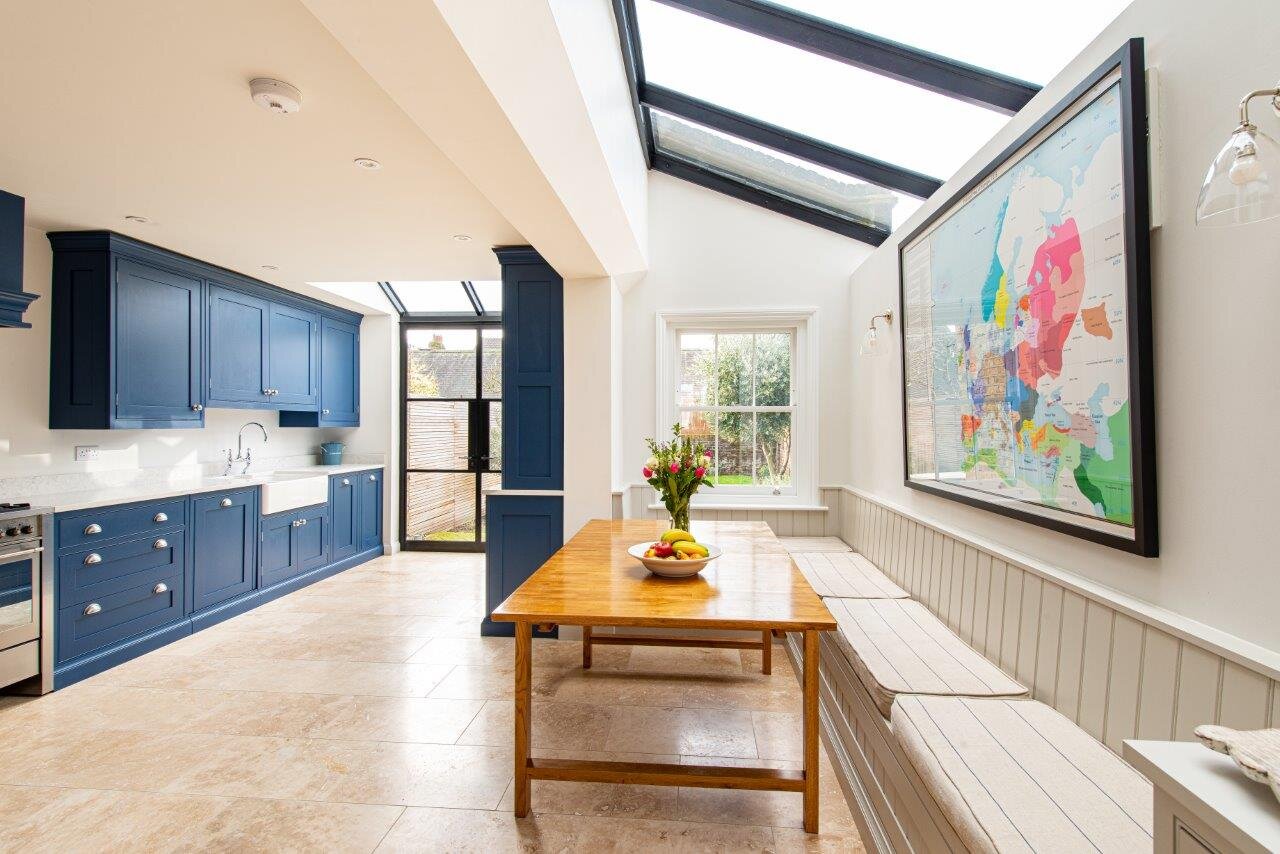
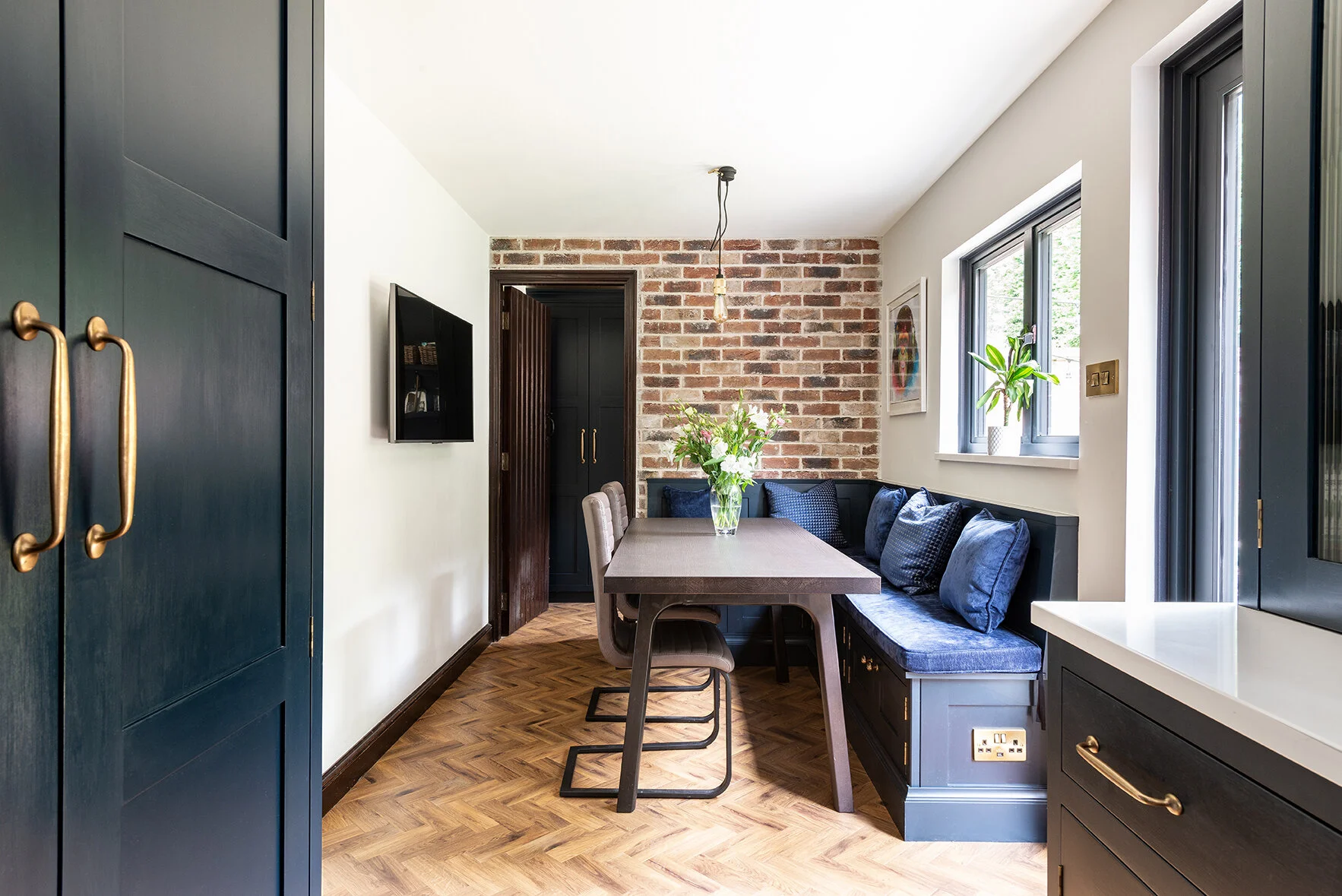
Did we miss anything? Tell us what your dream kitchen / work from home office needs!
More Blogs From Herringbone…
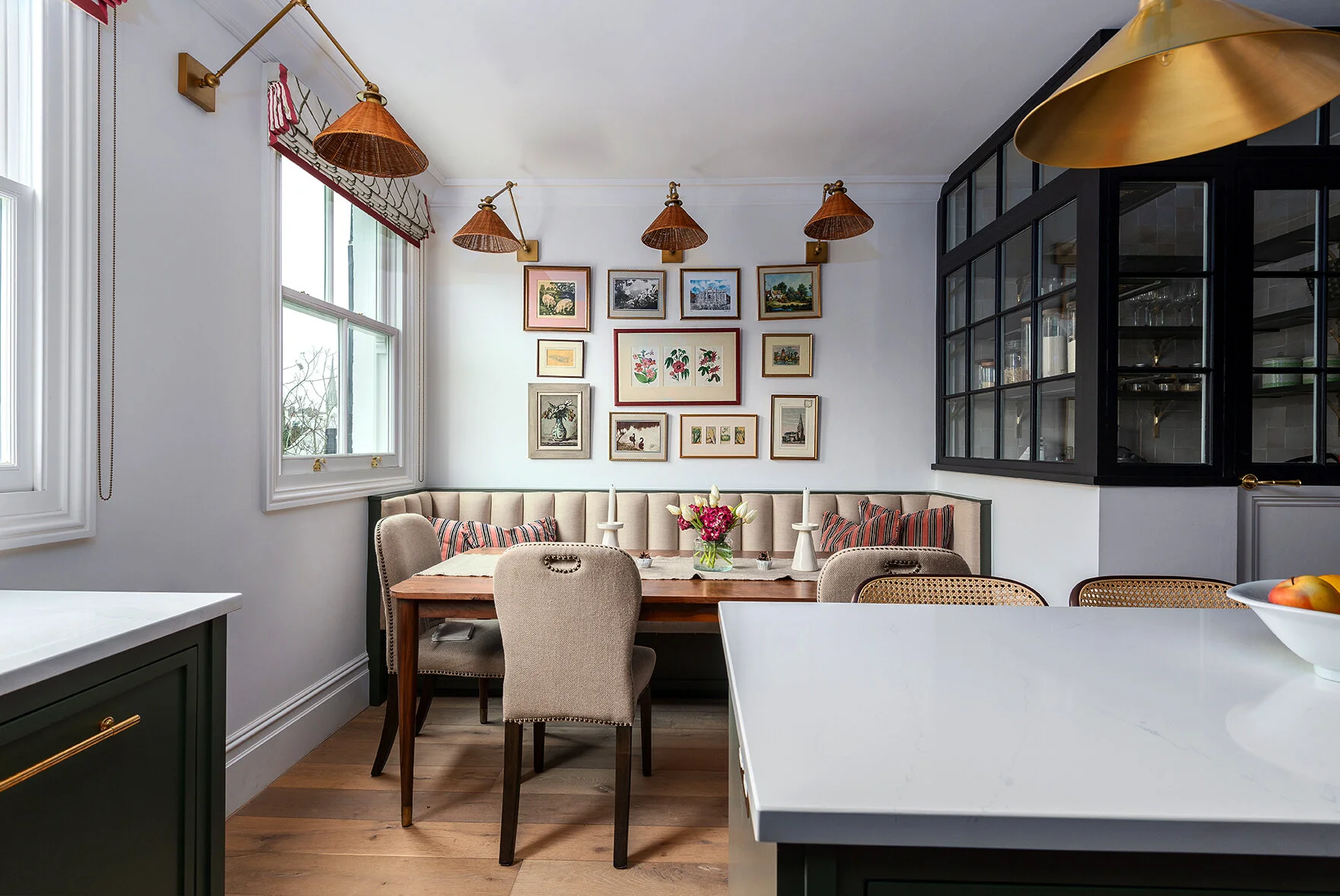
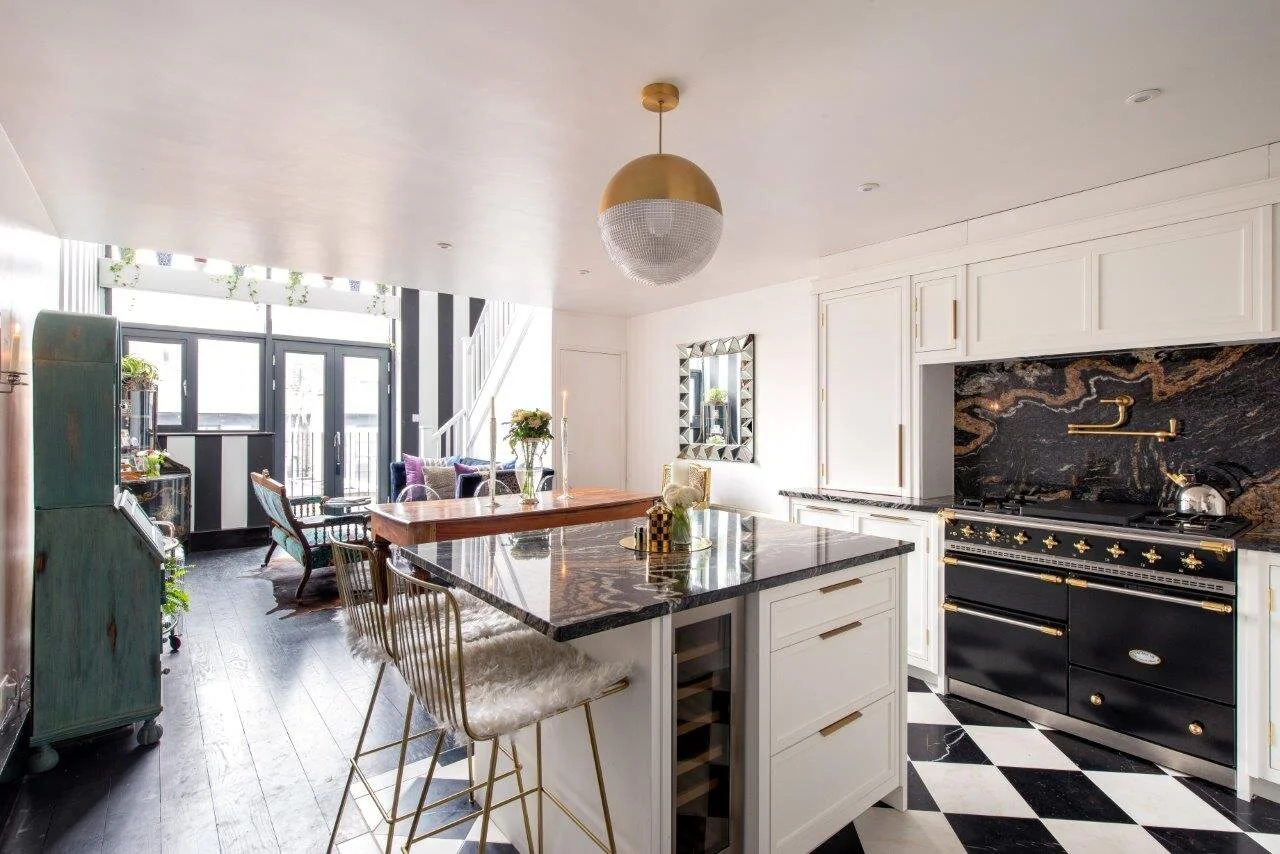
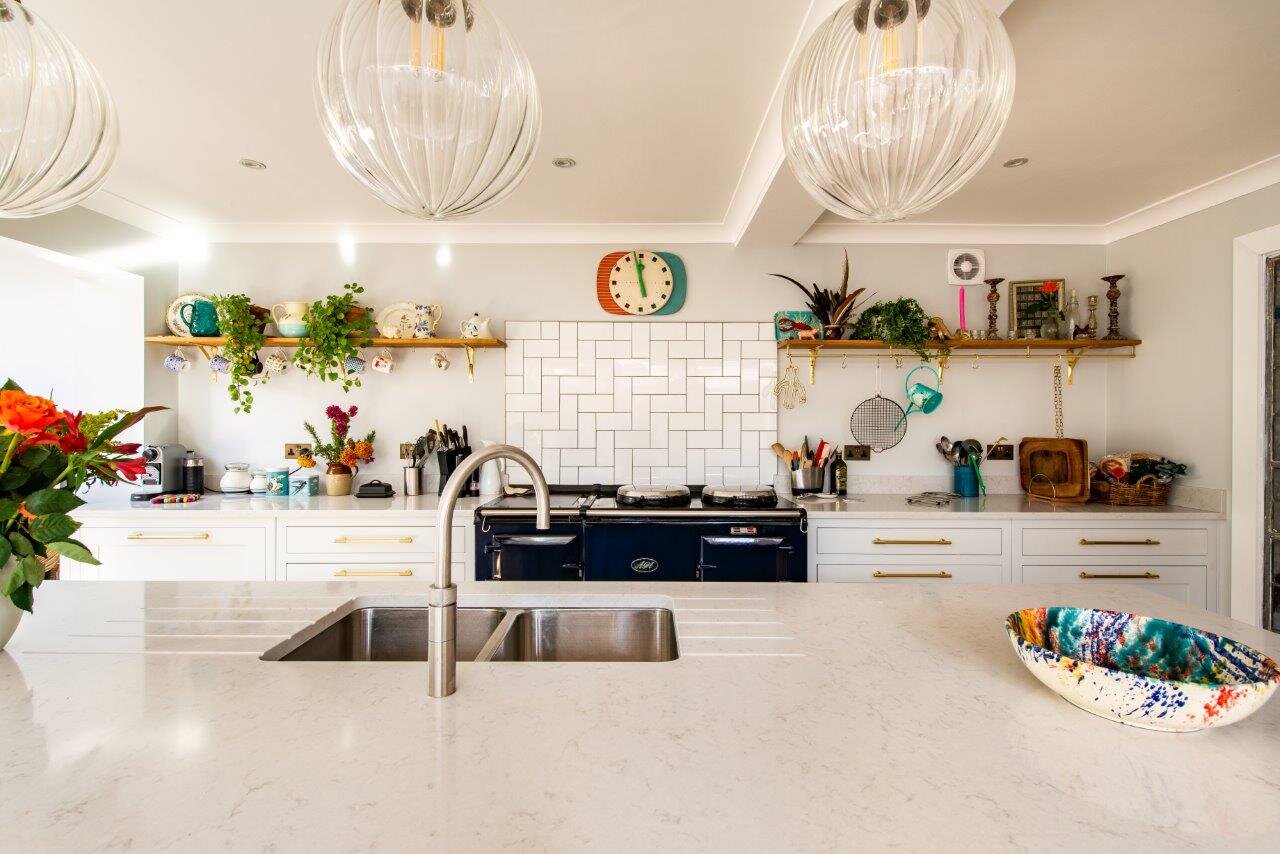
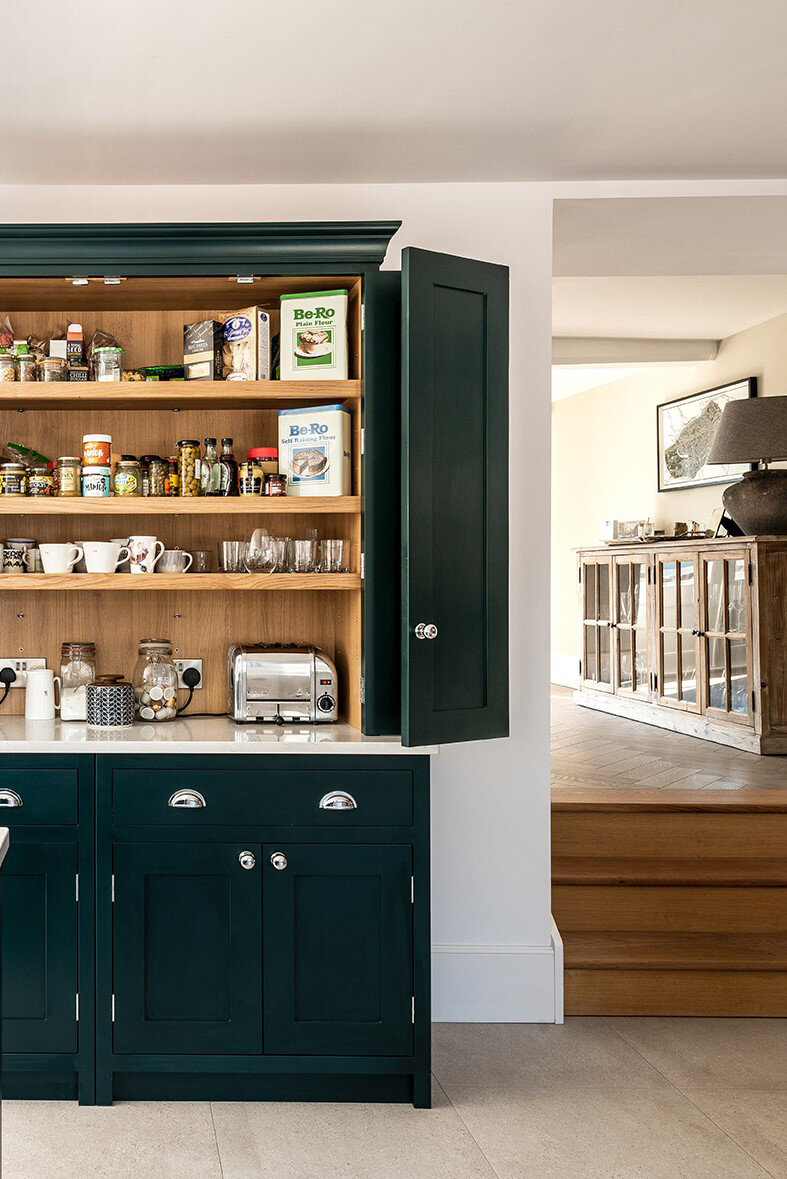
Kitchen Tips: 'Countryfying' Your Kitchen
If you prefer a more traditional or ‘English Countryside Chic’ kitchen to a modern sleek one, there are a few things you can consider when designing and decorating your kitchen to ensure it’s every bit of what you first visualise!
Mixing & Matching Burnished Brass Handles and Knobs
Mixing up the shape and type of hardware in your kitchen will offer a traditional yet stylish look to your space. Keeping all the handles the same will offer a more modern and sleek look. Another thing to consider is the harshness of the shape. Squared off, geometric designs lend themselves to more contemporary kitchens. If what you’re after is a softer, more organic country look, think gentle, rounded shapes! An antique-esque burnished brass finish is perfect for adding that old, golden warmth so many farmhouses have.


Belfast & Pie-Crust Sinks
A big Belfast sink screams country kitchen! These ceramic beauties are not only beautiful but very practical because of their depth. You can get them as a single or a double (or an 1000mm if you want that extra bit of space!). A ‘pie-crust’ sink offers the same charm as the conventional Belfast sink but gives an extra bit of * spice *.


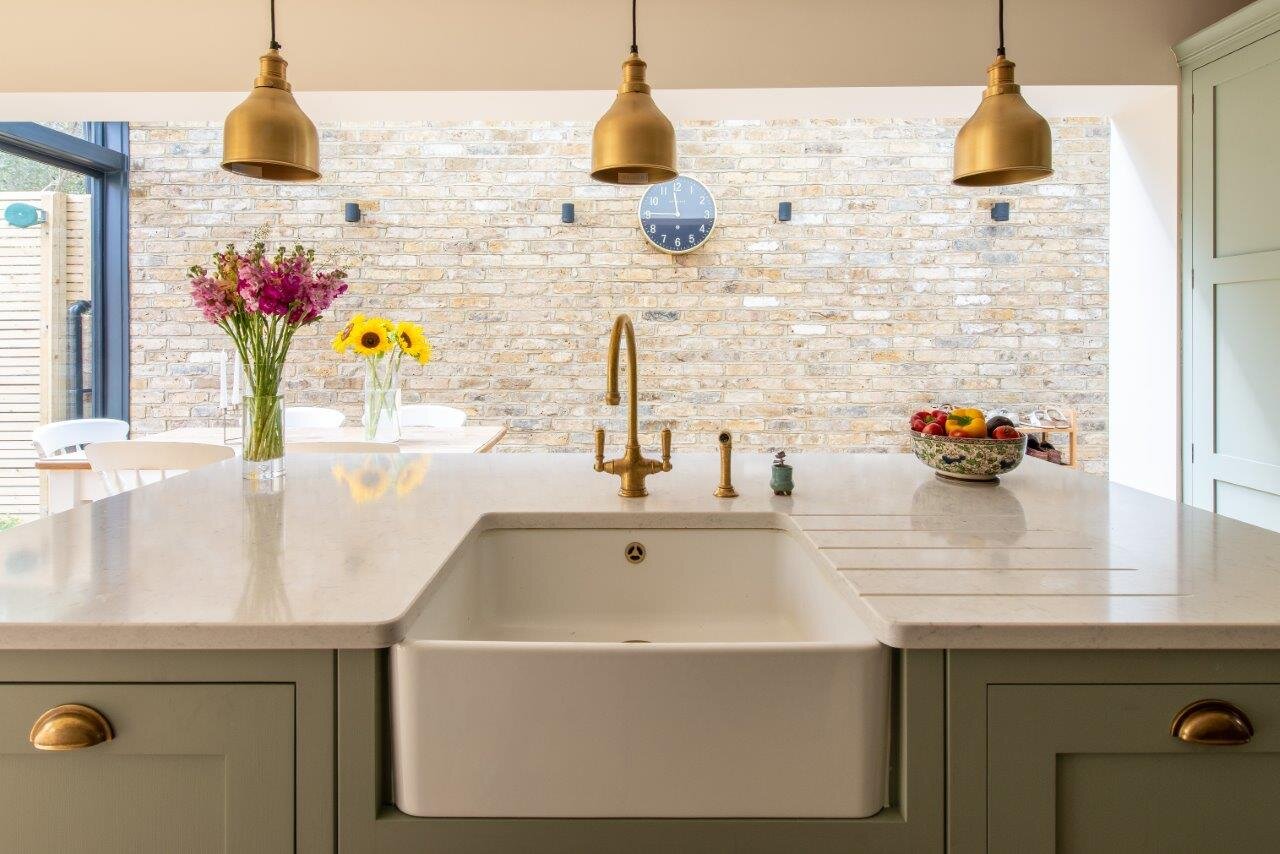
Keep Your Beams & Expose Your Brick!
If you’re lucky enough to have beautiful old wooden beams or an exposed brick wall, keep them just as they are! These natural textures and warm tones really aid that feeling of cosiness that a traditional shaker kitchen has. Try adding touches of wood throughout your kitchen to really amplify this with your stools or chairs, worktops or even displaying a lovely heavy wooden chopping board or pepper mill on your countertop.


Dresser Units
This isn’t your Nanna’s sideboard with all her fancy china, it’s a new and improved version! A dresser unit or side board unit is a classic piece in any English kitchen. Bi-fold doors and glass fronts can make it a really special piece that you will love using each day. We love seeing the beautiful oak or walnut on the inside as well as a cold shelf which makes cleaning much easier! If you want to take a step further, paint this unit an entirely different colour to the rest of your cabinetry or even consider exposed wood.


Table Seating
With kitchen islands and peninsulas truly stepping into the spotlight more and more, they can sometimes be a replacement for a kitchen table all-together. Keep a kitchen table for a more nostalgic and traditional feel (bonus points if it’s wooden).

Colours: Off-whites, Creams & Soft Greens
We all know of a country kitchen in an off-white or cream, and if it ain’t broke don’t fix it! Warm neutrals, beautiful sage and olive greens will bring a cosy and natural feel to the space.

Window Bench Seats
If you’re thinking of adding some banquette seating or even a bench to your kitchen, consider placing it under a window if possible. These little nooks are wonderful places to curl up with a cup of tea and a book, where kids can do their homework or simply gaze into the garden.


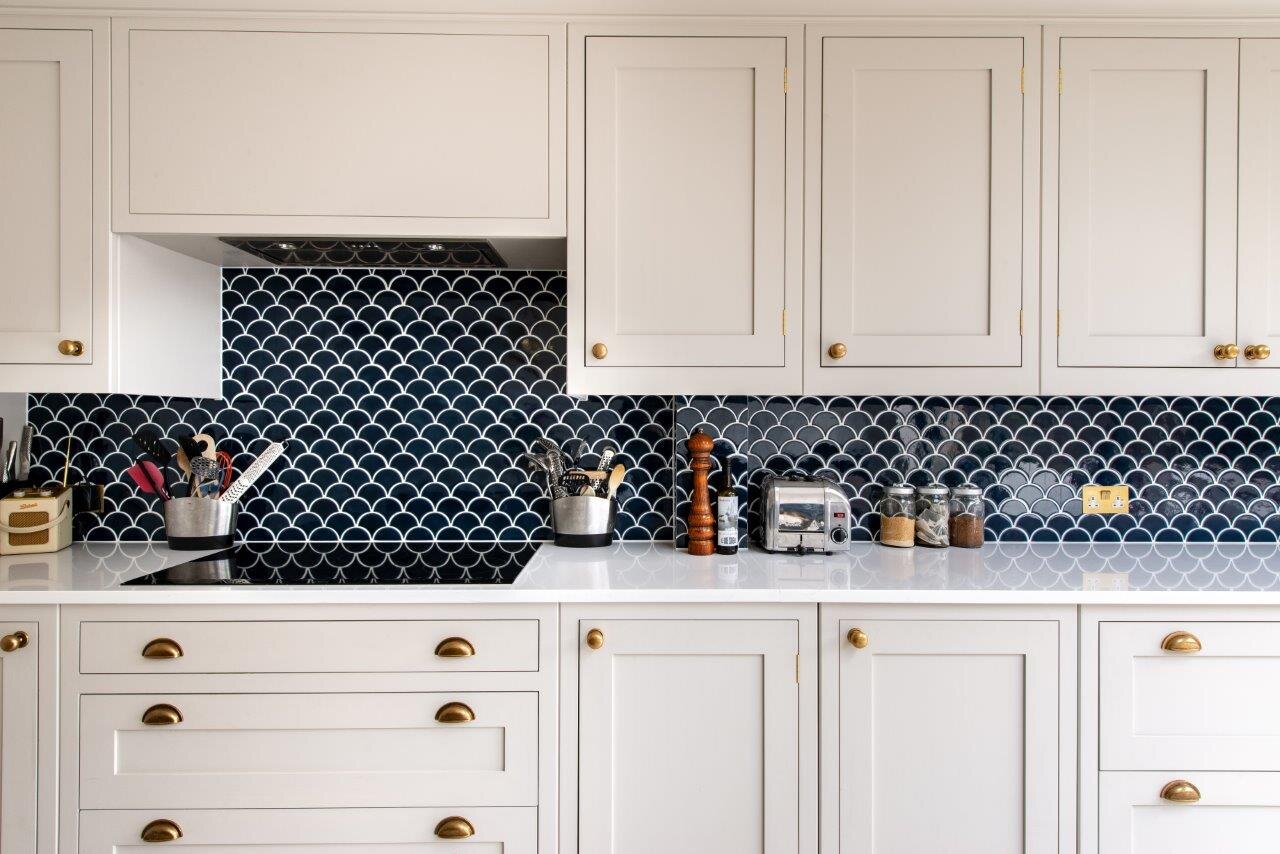
Tiled Splashbacks
More modern kitchen designs have been leaning more towards quartz splashbacks to match the worktops or glossy, white metro tiles. Try a small, square porcelain tile for your splashback for a more traditional look. Play around with colours, patterns and textures to find what works best for you and your space; maybe try a terracotta tile!

Leave us a comment telling us what your dream country kitchen would look like!
More Blogs From Herringbone…